Press Play to hear this interview that was recorded as a conference call with storyteller Steve Denning about how storytelling can be used to effect change in any work place setting.
Steve Denning writes… In 1998, I made a pilgrimage to the International Storytelling Center in Jonesborough, Tennessee, seeking enlightenment. As program director of knowledge management at the World Bank, I’d stumbled onto the power of storytelling. Despite a career of scoffing at such touchy-feely stuff; like most business executives, I knew that analytical was good, anecdotal was bad; my thinking had started to change. Over the previous few years, I’d seen stories help galvanize an organization around Read more »
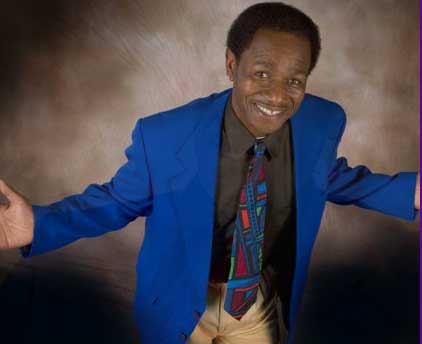
Purchase a HQ Mp3 File of Interview #038 Bobby Norfolk
[wp_eStore:product_id:59:end] for $2.23
The Brain is Hardwired for Stories.
Bio… Bobby’s innate ability to read and connect with audiences of all ages makes him one of the country’s premier storytellers. Using dynamic movement and vocal effects, he creates vibrant characters who come to Read more »
Fill out the form and press play to hear storyteller the Margaret Read MacDonald discuss Telling Across Language Barriers on the Art of Storytelling with Brother Wolf.
Purchase a HQ Mp3 File of Interview #036
Margaret Read Macdonald
[wp_eStore:product_id:57:end]
for $2.23
Telling across language barriers.
Purchase a CD of this Telephone Interview
CD Telephone Quality Audio
Interview #036 Margaret Read Macdonald – Telling across language barriers for $9.95.
[wp_eStore:product_id:18:end]
Margaret Read MacDonald writes…
In 1994 one day the phone on my desk at the Bothell Library rang. A professor from Drew University was on the line. “Dr. Wajuppa Tossa would like you to call her in Thailand right away,” he said. “She wants you to come over there as a Fulbright Scholar.” I hung up and sat stunned. A Fulbright Scholar. To Thailand? Could I do that? I had a fulltime job as a children’s librarian. But maybe; I dialed the Thailand number right away to find out more. A very drowsy Dr. Wajuppa roused herself from her 3 am sleep to answer. First problem with communicating across language barriers? Get your time zones right!
It was in fact possible for me to go off to Thailand. The Fulbright program did accept me and the King County Library System gave me a sabbatical. So I arrived at the Read more »
Press Play to hear this interview that was recorded as livel on 12/04/2007 with storyteller the Yellow Springs Tailspinners and Brother Wolf discuss how to effectively start and form a storytelling group.
I spent an hour talking with my local yellow springs Tale-spinners about how we function as a closed storytelling group. We are fairly successful at supporting each other and building on our past successes. I think you will enjoy the conversation.
Purchase a HQ Mp3 File of Interview #033 Tim Sheppard
[wp_eStore:product_id:54:end] for $2.23
The moment of impact; the timeless art of inspiration and presence.
Tim Sheppard talks about how various traditions hold the responsibility of an audience differently. What is the moment of impact that storytellers can create and hold for there audiences?
Tired of the tin sound?
Purchase a HQ Mp3 File of Interview #030 K. Sean Buvala
[wp_eStore:product_id:51:end] for $2.23
Telling to teens and tweens.
K. Sean Buvala writes My techniques to facilitate storytelling with adolescent boys.
It might be difficult to understand the benefit of storytelling to adolescent boys if the unique nature and difference of the teller’s art is not understood. Storytelling to this population requires some specific techniques.
1. Make storytelling presentations without precursor, introduction or warning. I refer to this technique as “stealth” storytelling. In other words, announcing that “we are going to have a story” may result in the audience of boys turning off their ability to listen. My stories to a group of boys just begin with little or no framing or introduction. To begin by saying, “I almost ran a drunk over in the parking lot last night” has much more power than, “Let me tell you a story that I think will help you…”
2. Tell personal, true tales. Boys benefit by hearing how adult men (and women) have handled the “shadow” or difficult Read more »
 Artistic Marketing, Creating Success, Episode List, Storytelling in Community, Storytelling in Schools | Brother Wolf |
  January 14, 2008 11:40 am |
  Comments (2)